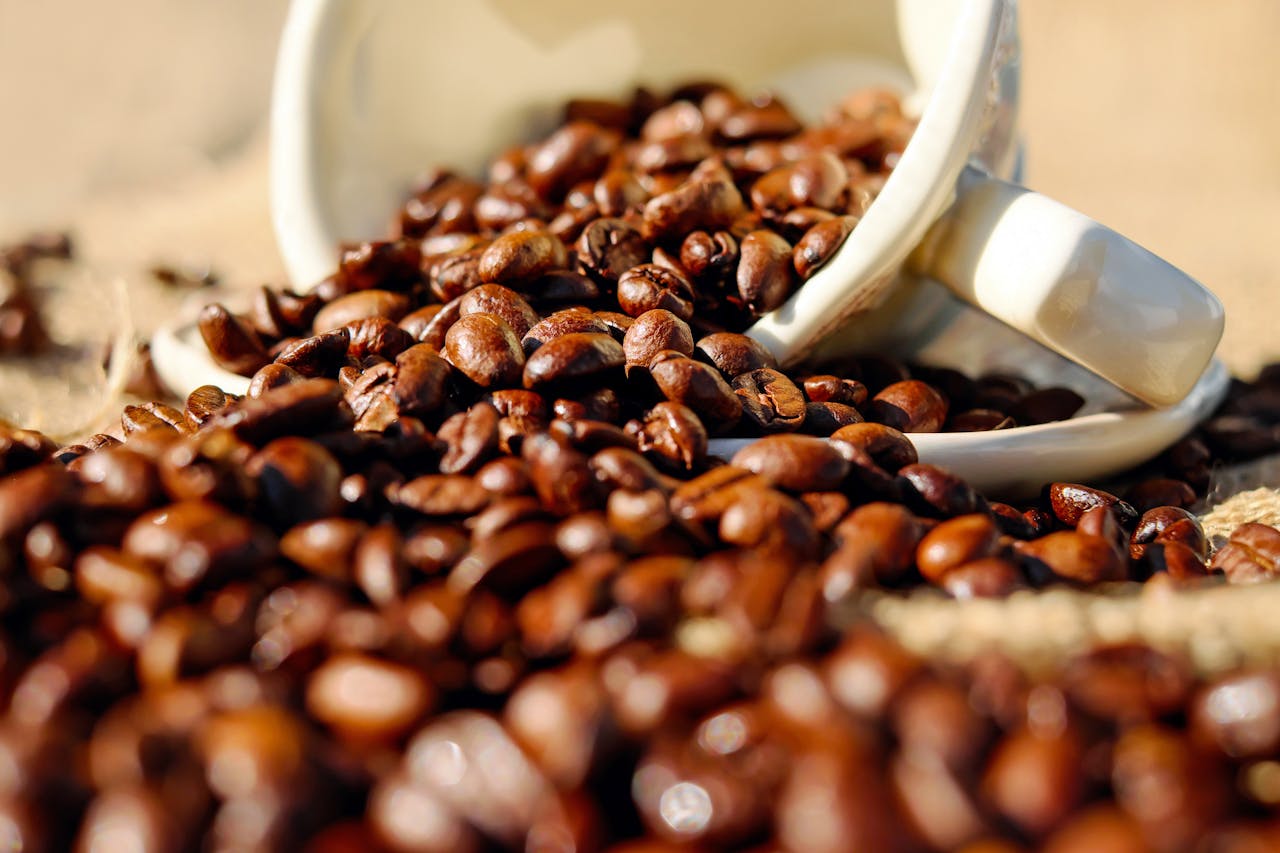
Every great cup of coffee starts its life as raw coffee beans. For many coffee drinkers, the process begins and ends with grinding roasted beans, but a growing number of enthusiasts are looking further back in the supply chain. Understanding raw coffee beans—also known as green coffee beans—can deepen your appreciation for your daily brew and open up the world of home roasting. This guide will walk you through what raw coffee beans are and why they matter.
The Journey from Plant to Cup
So, what are raw coffee beans? Simply put, they are the unroasted seeds of the coffee plant, a shrub that produces a red or purple fruit called a coffee cherry. The beans are the pits found inside this fruit. Before they can be roasted, these cherries must be picked, processed, and dried. The processing method, which can involve washing the fruit off the seed or drying the entire cherry, has a significant impact on the final taste of the coffee.
Once processed and dried, the green beans are ready for export and roasting. In their raw state, they are hard, dense, and have a grassy or vegetal smell. They bear little resemblance to the aromatic, brown beans you buy from a cafe. The transformation happens during roasting, where heat triggers chemical reactions that develop the flavours and aromas we associate with coffee. A raw bean contains all the potential for flavour—acidity, sweetness, body—but it takes the roasting process to bring those characteristics to life.
Why You Should Understand Raw Coffee
For coffee enthusiasts, learning about raw beans provides a greater appreciation for the final product. It helps you understand how factors like origin, varietal, and processing method contribute to the taste in your cup. This knowledge can make you a more informed consumer, able to select coffees based on a deeper understanding of their potential flavour profiles. It transforms coffee from a simple beverage into a complex agricultural product with a rich story.
For aspiring roasters, knowledge of raw coffee is fundamental. Roasting is an art and a science, and it all begins with selecting the right green beans. Different beans behave differently in the roaster, and understanding their characteristics—such as density, moisture content, and origin—is crucial for developing a successful roast profile. By starting with quality raw ingredients and understanding how to handle them, home roasters can create coffee that is perfectly suited to their personal taste preferences.
Buying and Storing Raw Coffee
When you decide to buy raw coffee beans, there are a few things to consider. Look for suppliers who provide detailed information about their beans, including the country and region of origin, the farm or cooperative, the bean varietal, and the processing method used. This information will give you a better idea of the flavours you can expect. Beans are often sold by weight, so you can start with small quantities to experiment.
Proper storage is also important for maintaining the quality of your raw beans. Unlike roasted coffee, which loses its freshness quickly, green coffee can be stored for several months without significant loss of quality. Keep the beans in a cool, dark, and dry place. An airtight container or a breathable bag like jute or grain-pro is ideal. Avoid exposure to direct sunlight, moisture, and strong odours, as these can negatively affect the beans.
A Deeper Appreciation for Coffee
Exploring raw coffee beans offers a new level of engagement with one of the world’s most popular drinks. It connects you to the agricultural roots of coffee and gives you more control over the final taste. Whether you simply want to be a more knowledgeable coffee drinker or you plan to start roasting your own beans at home, taking the time to understand the starting point of your coffee is a worthwhile endeavour. The journey from a simple green bean to a perfect cup is a fascinating one, and it all starts with the raw ingredient.